
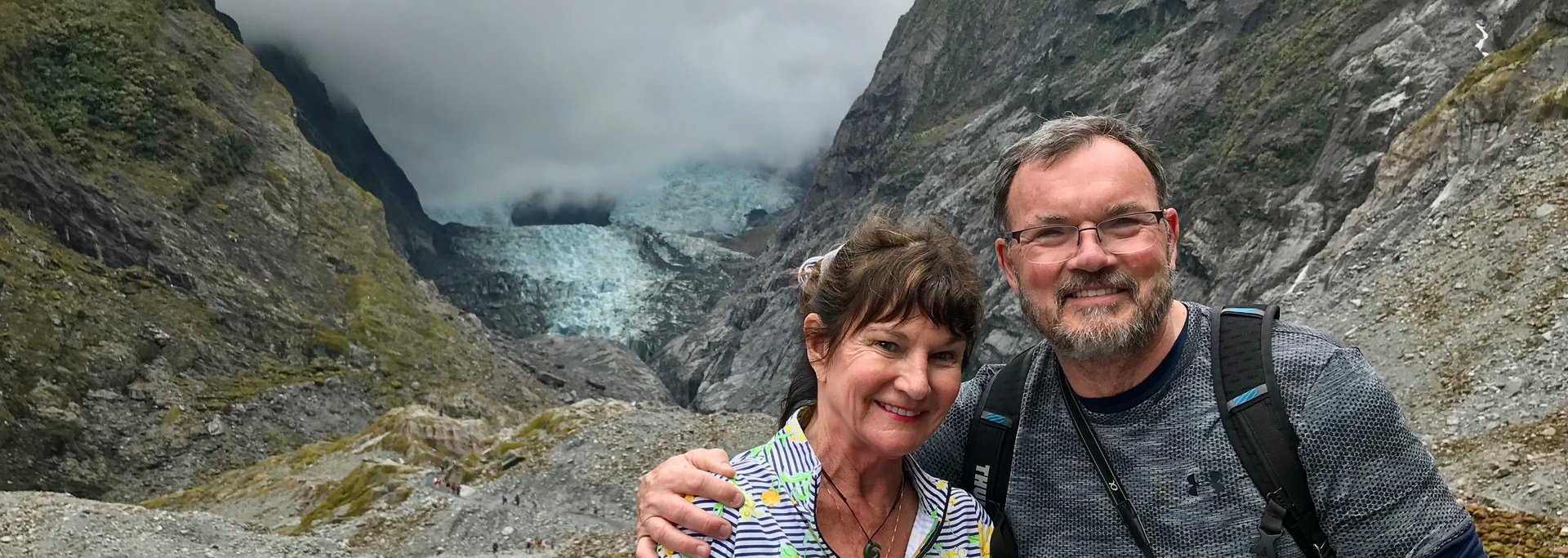
Ready - Set - Hike!! Essential planning and gear for a day hike
With our handy list in hand, you can safely go where no one's ever gone before...(OK, sorry, maybe a little too Star Trekkie). Seriously, there are a few important items to consider BEFORE you head out for the trail. Read on--
David & Lovee Miller
9/20/20255 min read
Ready - Set - Hike!!
Introduction:
Hiking is a great way to enjoy the outdoors, but being unprepared can ruin your day. In this post, inspired by our "Somewhat Curious" YouTube episode, Ready - Set - Hike!! We’ll help you plan a safe and fun hike. We’ll share tips and gear advice to help you stay ready for the trail.
Part 1: Planning Your Hike
Good planning is the key to a great hike. Here are four simple steps to keep in mind: Pick, Plot, Predict, and Ping.
1. Choose the Right Trail - Pick
Select a trail that suits your interests and abilities. Hiking Guidebooks like ours can help you check the difficulty, elevation, distance, and time needed. We remember getting lost once when my phone died because I didn’t have a map. That taught us always to pick the right trail and bring a good navigation tool. Think about what you want to see—waterfalls, streams, meadows, wildflowers, or woods—so your hike matches your interests.
2. Consult Map Resources - Plot
Always bring a map, whether it’s from a guidebook or printed from an app. We like using the AllTrails App for detailed maps. Ensure your map remains functional even if you lose cell service. Before you go, check for any special rules, park passes, or trail closures.
Check the Weather - Predict
Dress and pack for the weather. Check the forecast and be ready for sudden changes. Decide ahead of time what temperatures are too hot or too cold for you to hike safely.
4. Communicate and Timing - Ping
Could you let a family member or friend know your hiking plans and when you expect to be back? Check in with them when you return. It’s also smart to start early to avoid the heat and those unpredictable afternoon thunderstorms.
Part 2: Essential Hiking Gear
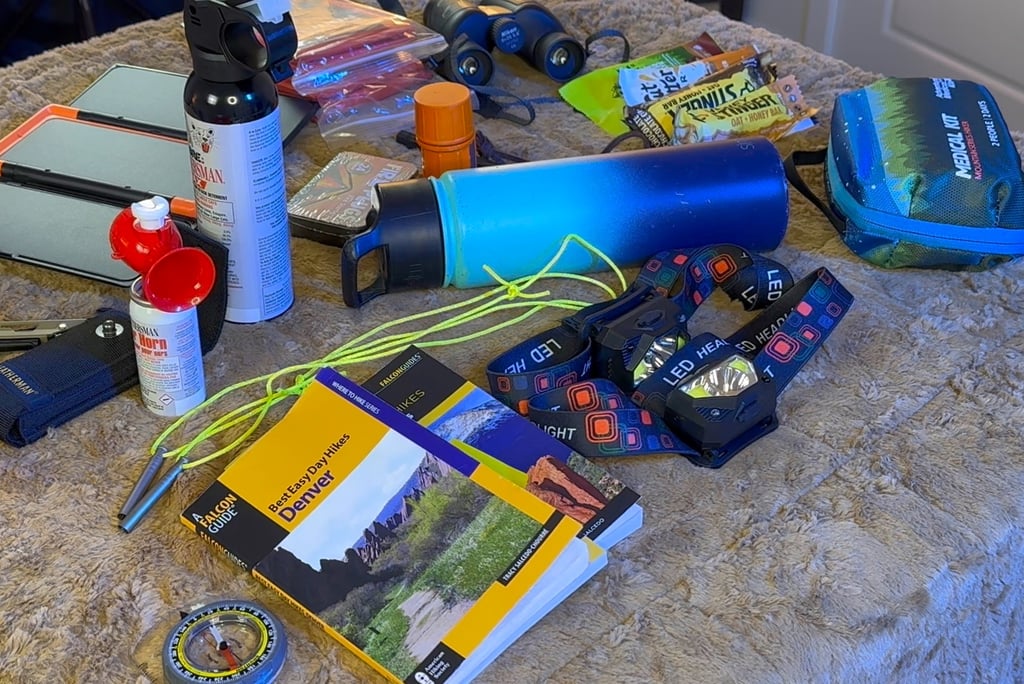
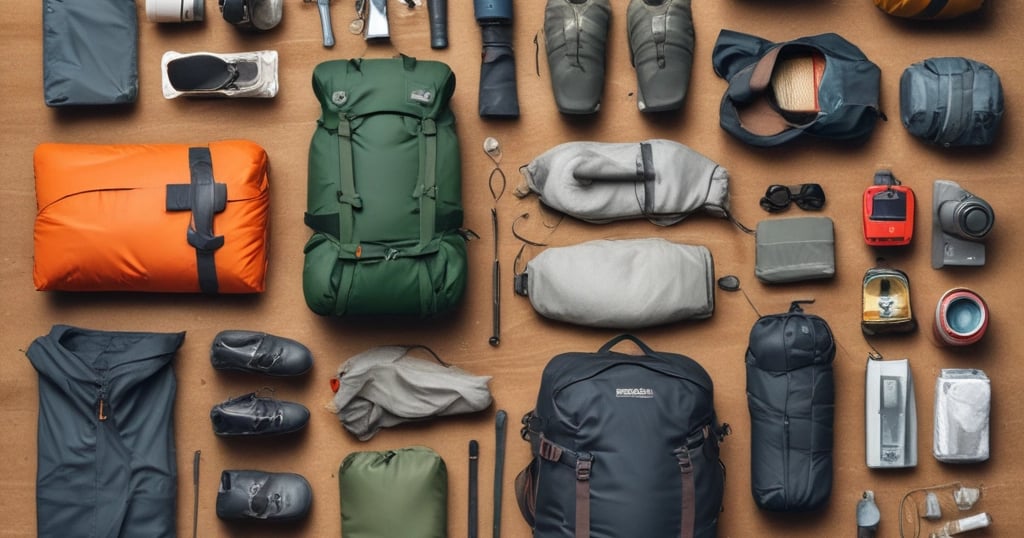
The right gear helps you enjoy your hike and stay safe. Here are fifteen essentials every hiker should bring:
1. Water and Hydration
Carry plenty of water in stainless steel bottles to avoid chemical exposure. Remember extra water for your dogs.
2. Appropriate Footwear
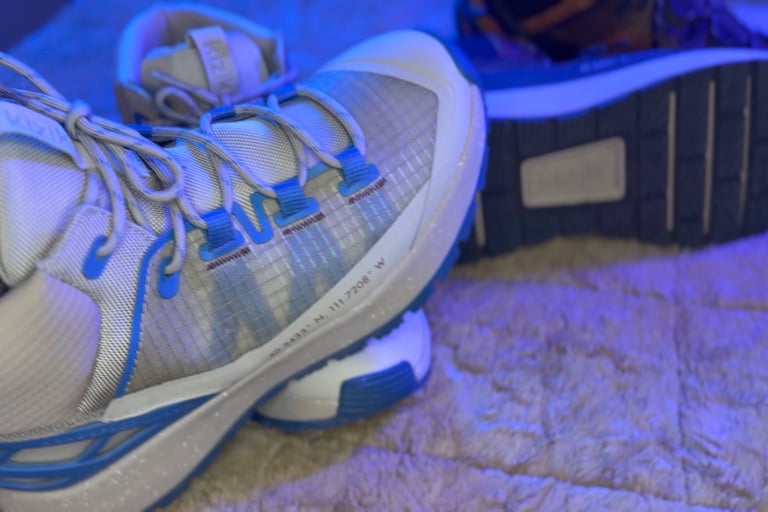
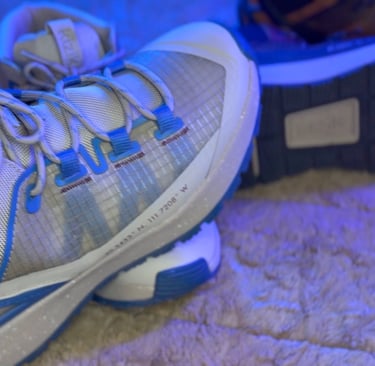
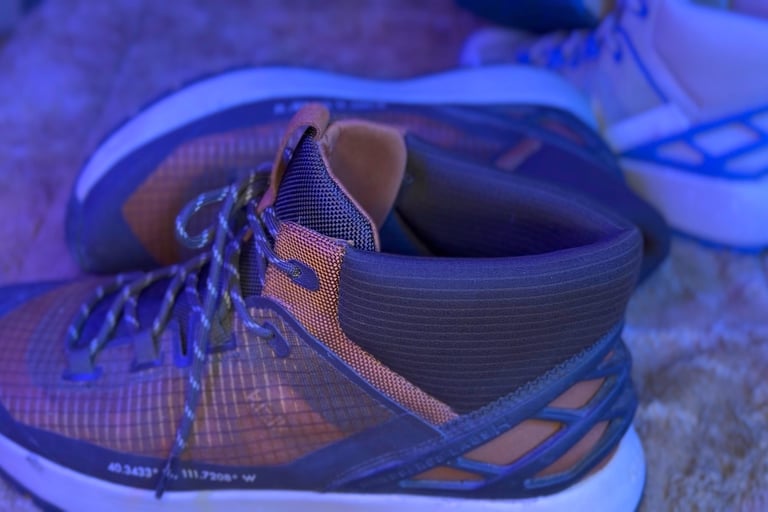
Choose trail shoes or boots that match the terrain. Hybrid boots offer comfort and protect your feet from rough ground and even snake bites. We recommend Kizik step-ins for their stability and comfort.
3. Trekking Pole
Trekking poles are more useful than you might think. They help you stay balanced, take pressure off your joints, and work out your upper body. Studies show they can help you burn up to 30% more calories while hiking.
4. Navigation Tools
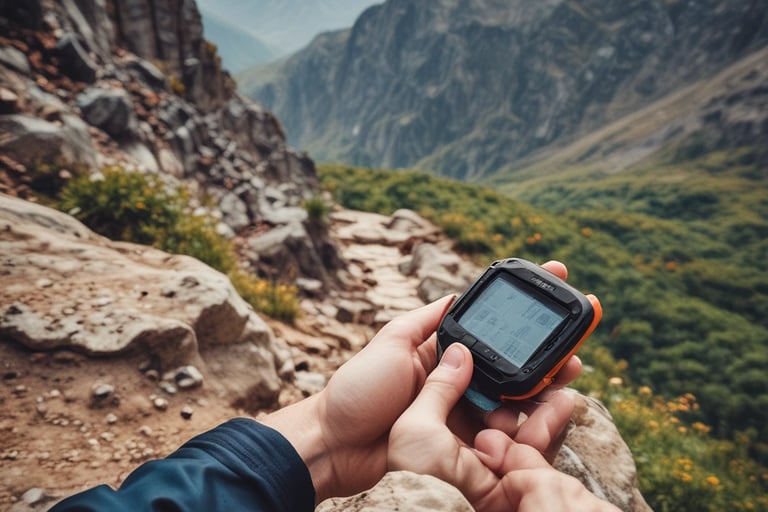
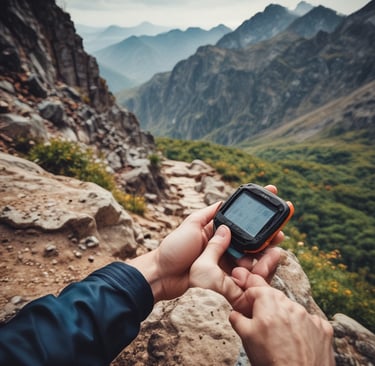
Number one, bring an old-fashioned map. In remote areas where cell service may be unavailable, consider bringing a GPS device. A GPS-enabled phone can be helpful in emergencies, but we always carry a good old-fashioned compass as a backup. We also bring a solar-powered portable charger power bank just in case.
5. Food and Snacks
Pack snacks that provide energy, such as trail mix or jerky, to keep you energized throughout the day. If you want to enjoy a picnic, go for it, but remember to leave no trace behind.
6. Lighting
Bring a flashlight or headlamp just in case you’re still out hiking after sunset.
7. Sun Protection
Wear a hat, sunscreen, sunglasses, and light clothes to protect yourself from the sun.
8. Clothing Layers
Adopt a three-layer clothing system for optimal comfort and protection: the base layer should comprise moisture-wicking materials such as synthetic or merino wool fabrics to transport perspiration away from the skin efficiently; the middle layer, such as a fleece or lightweight down jacket, serves as insulation to retain body heat; the outer layer should be a windproof and waterproof shell that protects against precipitation and wind. For example, wearing a synthetic T-shirt, a fleece pullover, and a breathable rain jacket provides adaptable protection in variable conditions. Avoid cotton garments, as they retain moisture and lose insulating properties when wet. Additionally, always include a waterproof poncho or shell to accommodate unpredictable weather changes. Consider bringing an extra pair of socks, just in case.
9. Safety Gear
A well-stocked first aid kit is essential. Keep it somewhere you can easily access and always know where it is in your pack.
10. Multi-Tool
A multi-tool, like a Leatherman, comes in handy for quick fixes or surprises on the trail. It should have a knife and all the tools you could ever need.
11. Emergency Whistle
A small whistle on a lanyard can be heard from far away and is easy to carry. Three blasts in rapid succession are the universal signal for “HELP!”
12. Bear Safety Items
If you’re hiking where there are bears, bring bear spray and a bear horn. These can help scare off/repel bears or mountain lions.
13. Fire Starting Kit
Bring waterproof matches and fire starters so you can make a fire if you ever need warmth in an emergency.
14. Binoculars
Light binoculars allow you to observe wildlife safely from a distance.
15. Backpack or Fanny Pack
Choose a backpack or fanny pack that feels comfortable, holds your water, and fits all your gear. It should hold everything you need without being too heavy. We have found that a 24-liter pack is just right for our day hikes.
Part 3: Trail Etiquette
Good hiking manners make the trail better for everyone and help protect nature:
Leave No Trace
Pack out everything you bring so you leave nature just as you found it.Stay on Marked Trails
Staying on marked trails helps prevent erosion and protects the native plants. Staying on the path also helps rescuers find you if you get lost after dark!Respect Wildlife
Always watch wildlife from a safe distance and never feed them. Learn what to do if you encounter animals like bears or mountain lions to stay safe. Beware of rattlesnakes.
Conclusion
With some planning and the right gear, you’ll avoid the mistakes of unprepared hikers and enjoy beautiful views and great exercise. Want to learn more about hiking gear? Check out our next Curious episode on trekking poles. We’d love to hear from you—we are curious: what gear do you consider to be your most essential? What have been your favorite hikes? Please leave us a message in the comments section. Share this post with a friend who loves hiking, and let’s spread the excitement for safe and fun adventures. Stay curious and keep exploring!
You didn’t come this far to stop
Curiosity Unleashed
Curiosity is a powerful driving force that often leads individuals to explore the unknown, ask questions, and seek out new experiences that enrich their understanding of the world around them.
Exploring the wonders of life together.
Connect
Learn
loveedavidmiller@gmail.com
123-456-7890
© 2025. All rights reserved.